
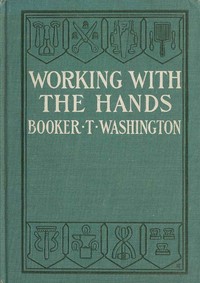
Working With the Hands by Booker T. Washington
This book is part memoir, part practical philosophy, and part how-to guide for building a life of purpose. Booker T. Washington shares the story of founding the Tuskegee Institute in Alabama, but he frames it through the central idea of 'hand training.' He believed education wasn't complete without teaching students to build, farm, and create.
The Story
The narrative follows Washington's journey from securing a patch of abandoned land to establishing a thriving school. Students didn't just attend classes; they constructed the buildings, planted the crops, and made the furniture. Washington details the challenges, from skeptical donors who wanted a traditional 'book-only' school to the sheer physical labor of clearing land. The story is the school's growth, brick by brick and student by student, proving his core belief: that practical skill fosters independence, pride, and economic stability.
Why You Should Read It
What struck me most was how relevant Washington's ideas feel today. In a world often focused on digital careers and abstract knowledge, his emphasis on tangible skill and self-reliance is a refreshing counterpoint. He writes with a calm, firm conviction that's impossible to ignore. You get a real sense of his character—pragmatic, deeply principled, and utterly dedicated to his students' success. It’s a perspective on American history and education you rarely get in standard textbooks.
Final Verdict
This book is perfect for anyone interested in American history, education, or the simple question of what makes work meaningful. It's for the DIY enthusiast, the gardener, the teacher, or anyone who has ever felt the satisfaction of fixing something themselves. If you've read his more famous 'Up From Slavery,' this is a fascinating companion that digs deeper into his educational philosophy. A short, thought-provoking read that champions the dignity of real, hands-on work.
This historical work is free of copyright protections. It is available for public use and education.








Ashley Johnson
1 year agoAfter finishing this book, the storytelling feels authentic and emotionally grounded. I will read more from this author.